Black and White Minimalist Square Company Logo
Presto Restore Minneapolis, MN
Mold Remedies vs. Real Removal: Know the Difference
Family-owned · Locally Trusted

Mold Remedies vs. Real Removal: Know the Difference

Home remedies for mold rarely solve the real problem. Presto Restore's certified team locates, cleans, and sanitizes every affected area. Call 24/7.

24/7Calls answered
1–2hDry time
7-DayGuarantee
AntimicrobialCleaningHandymanEco-Friendly
FreeEst.
Instant Quote

Get a real estimate in 60 seconds.

We'll follow up within one business day. No pressure, no upsells.

No obligation · Responds within 1 business day

Carpet CleaningWater ExtractionUpholsteryTile & GroutAir Duct CleaningOdor RemovalPet StainsCommercialCarpet CleaningWater ExtractionUpholsteryTile & GroutAir Duct CleaningOdor RemovalPet StainsCommercial

Home mold remedies like vinegar and baking soda can slow surface growth, but they don't kill mold at the root or stop it from coming back. Mold is a toxin that is deadly, and treating it like a cleaning chore is how a small bathroom problem becomes a structural crisis behind your walls. Presto Restore's certified professionals locate every problem area, sanitize it completely, and deodorize the space so you're not just covering symptoms. If you suspect mold anywhere in your home, call us now at 763-443-8184 before it spreads further.

The remediation process starts with locating all affected areas, not just the ones you can see. Mold hides in wall cavities, under flooring, and inside HVAC systems. We clean, sanitize, and deodorize every area we find. What drives the cost of a job is scope: a single shower wall and a basement that flooded last spring are completely different situations. We won't give you a quote until we know what we're actually dealing with. Every job is different. Contact Presto Restore for an accurate estimate.

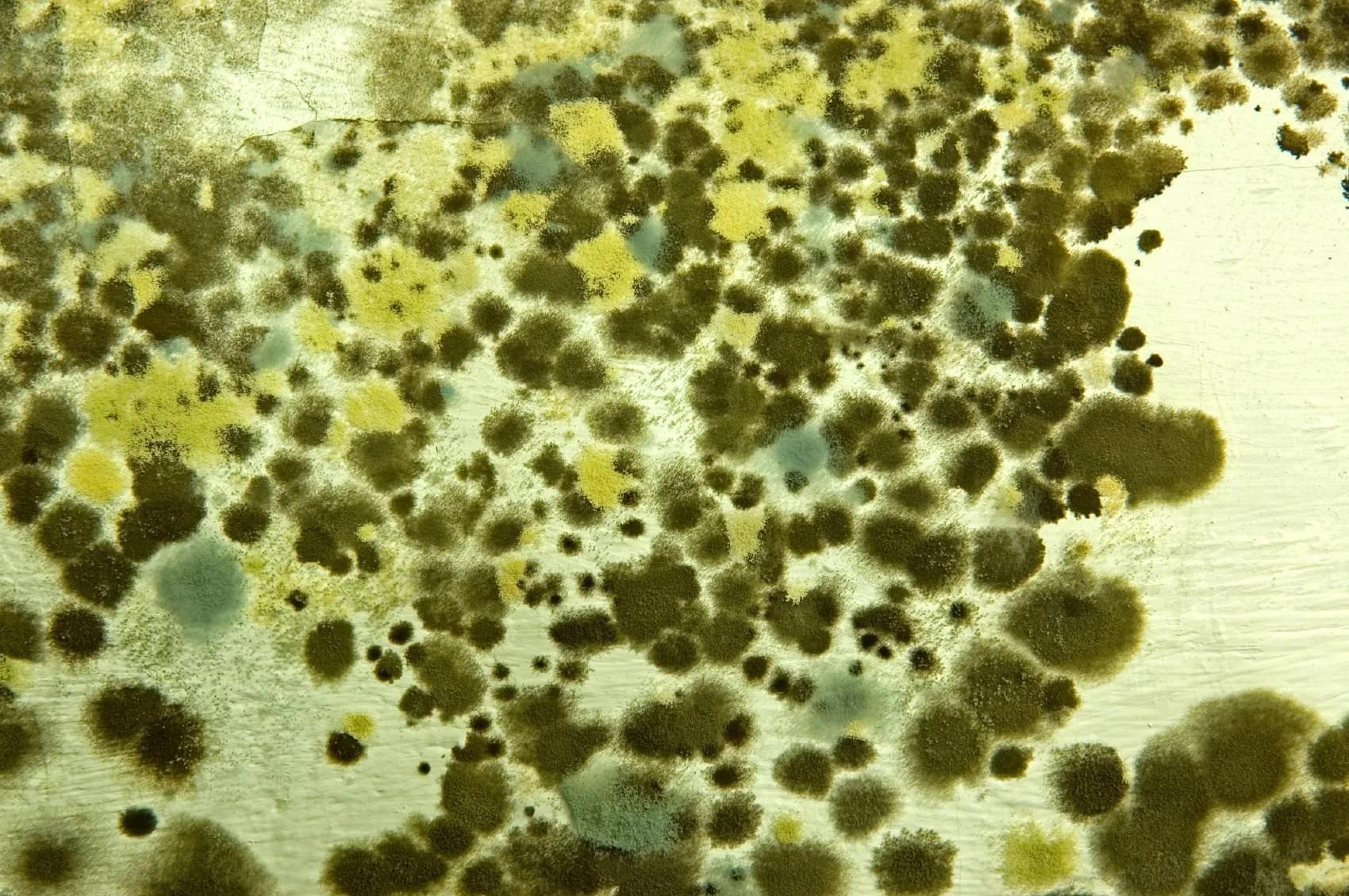
Mold and mildew growth on a surface, illustrating the need for deep cleaning and remediation services.

Why Home Mold Remedies Fall Short

Most of what you read online about mold remedies is incomplete. Bleach kills surface mold on non-porous materials. Vinegar has mild antifungal properties. Tea tree oil smells better than both. None of them penetrate porous surfaces like drywall, wood framing, or grout where mold colonies actually live. You can scrub a shower wall until it looks clean and still have active spores behind the tile. That's not a cleaning failure. That's a structural mold problem, and it requires professional mold removal to fix correctly. We won't recommend a DIY approach when the mold has already moved past the surface.

Where Mold Hides in Your Home

Mold growth is encouraged by warm, humid conditions. Outdoors, mold breaks down leaves and organic debris. Indoors, it finds places where moisture accumulates and air doesn't circulate. The most common locations we locate and treat:

Basements

Groundwater seepage and poor drainage make basements a primary mold zone. Minnesota's spring thaw pushes moisture into foundations every single year.
Bathrooms and Showers

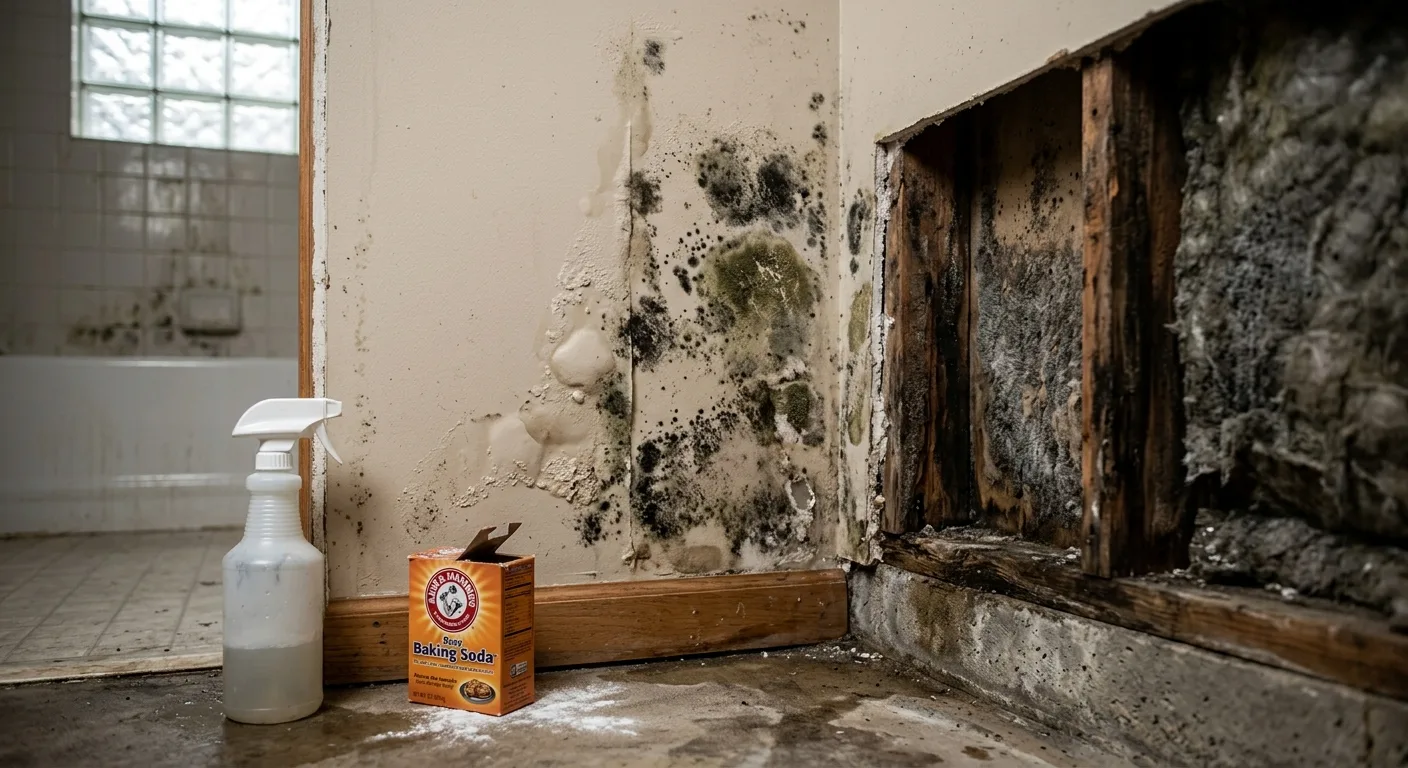
Grout lines, caulk seams, and the wall cavity behind tile are the places shower mold hides. Surface scrubbing won't reach the colony behind the tile board.

HVAC and Air Ducts

Mold in your ductwork circulates spores through every room every time your system runs. Remediation without air duct cleaning leaves the contamination path open.

Under Flooring

A water leak that was dried too slowly can leave active mold colonies under hardwood or laminate. You won't smell it until it's serious.

Attics

Poor roof ventilation traps warm, moist air. Attic mold is one of the most commonly missed problems during a home inspection.

Wall Cavities

A slow pipe leak behind drywall creates a dark, humid space. Mold can colonize inside a wall for months before you notice a smell or stain.

Mold and mildew growth on a surface, illustrating the need for deep cleaning and remediation services.

What Presto Restore Actually Does When We Arrive

We don't show up with a spray bottle and a sponge. The process Presto Restore follows is methodical because shortcuts in mold remediation just move the problem. Here's what you can expect: First, we locate all affected areas, including the ones that aren't visible. Second, we contain the affected zone to prevent spores from spreading during the work. Third, we clean and treat every surface using professional-grade products that reach porous materials. Fourth, we sanitize and deodorize so the space is genuinely clean, not just visually clean. If your mold issue followed a water event, pairing remediation with structural drying and antimicrobial treatment is how you make sure it doesn't come back. We work until the customer is 100% satisfied. That's not a slogan. It's how Cory Anderson has run this operation from day one.

What Natural Mold Killers Can and Cannot Do

There are situations where a natural remedy is a reasonable first response, and situations where using one is a genuine health risk. Here's an honest breakdown so you know the difference before you decide.

Hydrogen Peroxide (3%)

Kills surface mold on hard, non-porous materials. Safe, low-fume option. Does not penetrate grout, wood, or drywall.

White Vinegar

Mildly antifungal. Effective on some surface species. Completely ineffective against established black mold colonies.

Baking Soda

Absorbs moisture and mild odors. Has no meaningful antifungal action. Useful as a follow-up rinse, not a primary treatment.

Hypochlorous Acid

Emerging professional-grade option. Kills a broad spectrum of mold species on contact. More effective than bleach on porous surfaces and far less corrosive.

When DIY Stops Being Safe

Any mold colony larger than ten square feet, any black mold, or any mold inside wall cavities or HVAC systems requires professional remediation. Period.

Free In-Home Estimate

Call Before the Problem Gets Behind Your Walls

Mold is vital to one's health and a toxin that is deadly. The longer it grows, the deeper it goes. A surface stain you can treat this week is a drywall tear-out job next month. Presto Restore answers 24/7 because mold doesn't keep business hours and neither do we. Call 763-443-8184 the moment you see or smell something. We serve the entire Twin Cities metro area and we can have a certified professional on-site faster than you'd expect.

Call (763) 443-8184

Or send us your info

optional

No obligation · Licensed & Insured in Minnesota

FAQ

Frequently Asked Questions

What kills mold naturally? +
Hydrogen peroxide, white vinegar, and hypochlorous acid all kill surface mold on non-porous materials. They work on tile, glass, and sealed countertops. On porous materials like drywall, wood studs, or grout, natural remedies can't reach the root of the colony. That's when the mold comes back within weeks. If you're seeing regrowth after DIY treatment, the colony is already deeper than the surface.
How to detox from mold? +
Mold exposure symptoms vary from respiratory irritation and fatigue to more serious immune responses, depending on species and duration of exposure. Removing yourself from the contaminated space is step one. Medical guidance from a doctor is step two. Step three is professional remediation of the source. You can't detox from ongoing exposure. The mold has to go first. Contact your physician about symptoms and call us to eliminate the source.
Can I use hypochlorous acid on mold? +
Yes, and it's one of the more effective options available to homeowners for surface treatment. Hypochlorous acid (HOCl) kills a broad spectrum of mold species on contact and is far less corrosive than bleach. It's also safe around children and pets when used correctly. It still does not penetrate porous building materials deeply enough to address an established colony inside drywall or wood framing. Use it as a surface treatment, not a full remediation solution.
Can I treat mold by myself? +
You can treat mold yourself if the affected area is smaller than ten square feet, the mold is on a hard non-porous surface, and you have no underlying respiratory conditions. Anything beyond that, including any black mold, any mold in an HVAC system, or any mold inside walls, requires professional remediation. The EPA sets the ten-square-foot threshold for a reason. Past that size, disturbing the colony without proper containment spreads spores throughout the structure.
Does remediating mold also remove the smell? +
It should. The musty odor associated with mold is caused by microbial volatile organic compounds (MVOCs) produced by active colonies. Kill the mold, and the odor source is gone. Presto Restore deodorizes all treated areas as part of the remediation process. If odor persists after treatment, it usually means mold remains in a secondary location, often inside ductwork or under flooring. An air duct cleaning may be necessary to fully clear the smell.
How long does professional mold remediation take? +
A single-room job, like a bathroom or small basement section, typically takes one day. Larger contamination events involving multiple rooms, wall cavities, or subfloor material can run two to five days depending on scope and required dry time. Jobs that follow a water damage event often need structural drying completed before remediation can begin. We give you a realistic timeline after assessment, not a generic promise. Every situation is different.